
Karanga Maha Waikato: Many voices, one heart
When Matua Iotua talks about Karanga Maha, his pride is unmistakable. “I’ve been there from the beginning, right up until now,” he says.
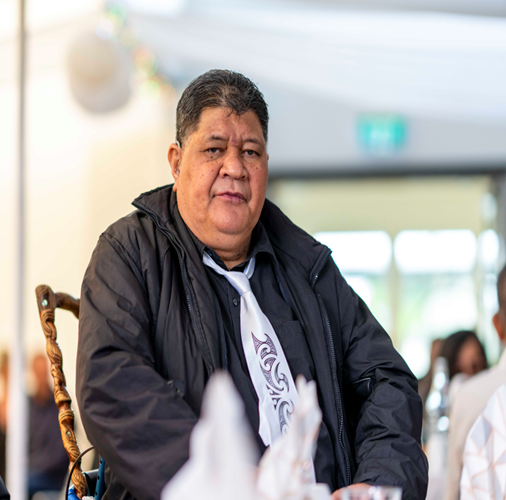
Matua
Karanga Maha – meaning “Many Voices” – began in Waikato in 2018, inspired by hui held in CCS Disability Action’s Tāmaki Makaurau and Te Tai Tokerau branches. The first Waikato gathering was held at Te Iti o Haua near Tauwhare, bringing together whānau, CCS Disability Action kaimahi, and community leaders.
From that day, the kaupapa has thrived.
Matua Iotua has been supported by CCS Disability Action for many years and was asked by the team to support the first hui. “CCS Disability Action has always looked after me well, and I thought they had a lot to offer other whānau,” he explains.
“Connection is everything,” says Dempsey Puru, Pou Ārahi - Māori Development for CCS Disability Action’s Midland region. He has been one of several team members who have supported the group since its inception. “Many of our whānau were disconnected – from community, from marae, even from opportunities to be together. Karanga Maha creates a safe, supportive space to change that.”
The hui are grassroots and whānau-led, supported by CCS Disability Action with planning, funding and facilitation. Each event weaves together kaupapa Māori practices with practical workshops – from miri miri and rongoā making to health checks, te reo kōrero and creative activities.
For Matua Iotua, the hui have been transformative – they’re about leadership and giving back. “It keeps me motivated. It keeps me alive,” he says. “I try to teach others the kawa, the karakia, the tikanga. It’s an honour to do those things.”
Holding the events on marae was always an important aspect of the movement’s success.
“Whichever rohe we go to, we have our Karanga Maha at a marae,” he explains. “That brings all the rōpū from around that area. Invitations go out, and people come. It’s educational. You meet your whānau. You learn your whakapapa.”
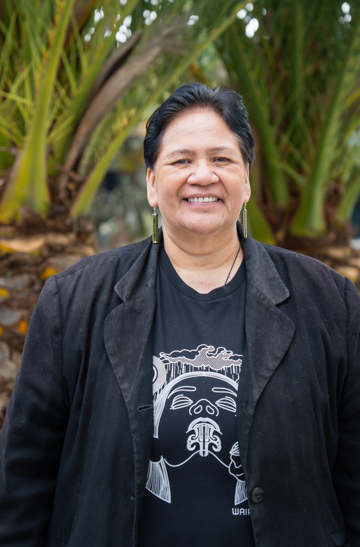
Te Aroha
Te Aroha Teriaki, Kaiwhakahaere for CCS Disability Action and fellow ally for the group, agrees that hui fill a significant gap in people’s lives.
“Urban kaumātua really appreciate mix and mingling – even if it’s just for a day,” she says. “They get to kōrero Māori, which they can miss out on otherwise. Some have stood to join kapa haka for the first time at 70 or 80 years old. They tell us they feel like kings and queens.”
This environment has enabled those involved in Karanga Maha to look beyond the day-to-day and towards what a good life looks like for them. Whānau have shared aspirations that once seemed impossible – and made them happen. Fishing trips on accessible charters, thanks to the ‘Wish for Fish’ Foundation. A cruise for 30 whānau members, self-funded through months of planning and fundraising. “Karanga Maha has given them the opportunity to dream big,” says Te Aroha. “They dare to dream because they feel safe and supported.”
One of the most memorable milestones was the Ngākau Nui Ball, held earlier this year in honour of kuia Linda Stewart, a stalwart of the Waikato rōpū. The Māori Unit staff knew Linda’s time was short so the Waikato Karanga Maha Steering Komiti and staff brought the ball forward. The kaupapa – Ngākau Nui, a big heart – reflected her spirit. Around 150–180 people attended, with performances by kaumātua kapa haka, a band and popular musician Jason Kerrison, who was so moved by the event he delayed his attendance at another function to stay longer.
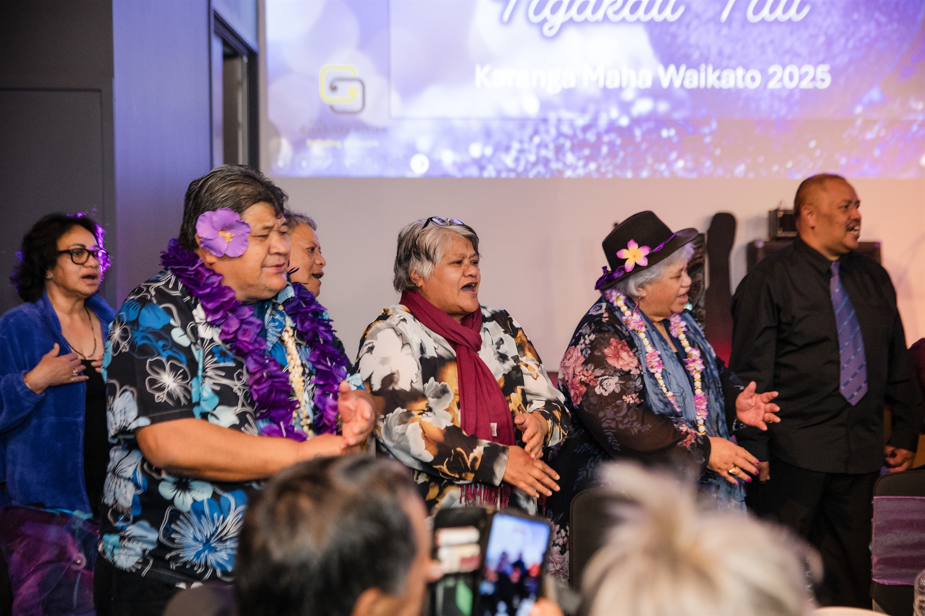
Matua at Ngākau Nui ball
The ball was a particular hit with young people – many of whom had not attended their school ball. “Disabled youth love the balls because they feel accepted in a crowd that welcomes them,” says Te Aroha. “It’s their ball – their space.”
Karanga Maha is more than a series of events or activities. It’s a movement grounded in whakawhanaungatanga (relationship building), cultural identity and empowerment. It’s about hearing voices that are often unheard and taking advice from whānau about what matters most. It’s about creating achievable opportunities – and celebrating every success.
“Karanga Maha is not just about kapa haka, for example. It’s about āwhi – supporting each other. That’s why I’m still here,” explains Matua Iotua.
For Matua Iotua, the future is clear: growth, inclusion and continuity. “I would like to see Karanga Maha go nationwide,” he says. “My wish is that Karanga Maha stays strong and keeps growing.”
As the Waikato rōpū looks ahead, the vision remains clear: keep the doors open, keep the dreams alive, and keep creating spaces where whānau hauā feel safe, valued and celebrated.
Every gift, large or small, helps create a more inclusive Aotearoa where all tamariki – including disabled children – can belong, learn and thrive.