
Pasifika voices lead the talanoaga at Wellington fono
By Tilomai Solia, Wellington Service Manager and Pasifika Working Group member
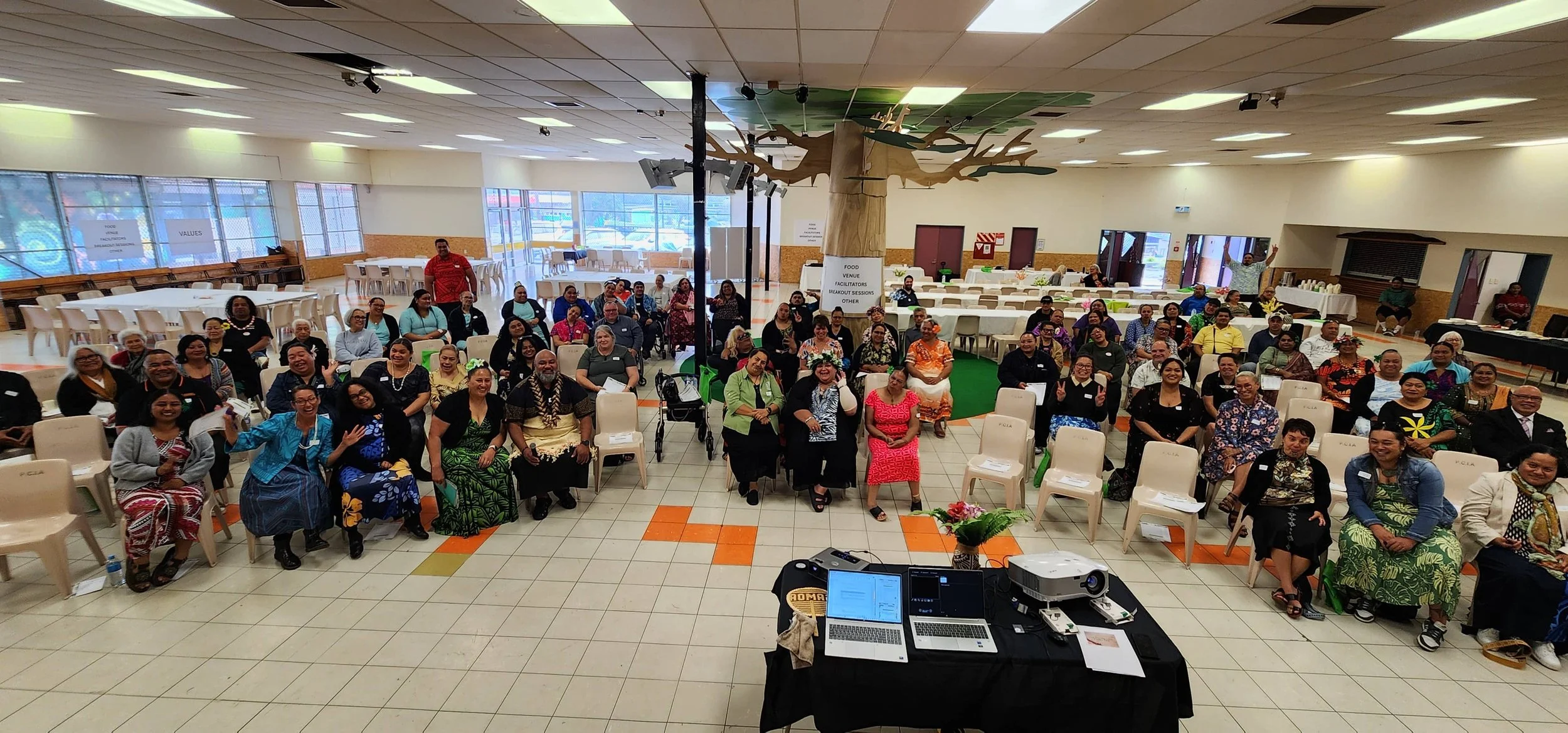
Pasifika disabled people and their aiga (family) filled the room at CCS Disability Action’s Wellington Pasifika fono, creating a powerful space of connection, culture and open talanoaga (discussion). The event was led by the organisation’s Pasifika Working Group and reflected a strong commitment to Pasifika‑led engagement and community voice.
With record attendance, the fono brought together Pasifika community members, service providers and government agencies to share lived experience, raise concerns and contribute to shaping a Pasifika future within CCS Disability Action.
More than 120 people attended the Wellington fono, making it the largest of the Pasifika fono held so far, following earlier gatherings in Auckland and Hamilton. Many participants shared that this was their first time attending a disability focused event that genuinely reflected Pasifika values and ways of connecting.
“I’ve been born and bred in Porirua since the late 1960s, and this is the first time I’ve heard of CCS Disability Action,” one participant shared. “It’s good to finally know who you are and what support is out there.”
Around 50 disabled people took part alongside parents, aiga (family members), Pasifika providers and CCS Disability Action staff. A dedicated children’s space allowed fanau (children) to play and create while parents participated fully in the discussions.
“Having our children happy and looked after meant we could really engage in the talanoaga. It made such a difference,” one parent said.
Opening in the Pasifika way
In the Pasifika tradition, the fono began in prayer, acknowledging the deep spiritual connection that sits at the heart of Pasifika communities.
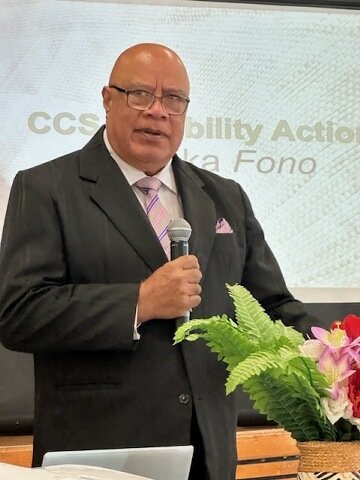
The opening prayer was led by Reverend Elder Vaega’au Liko, whose words brought focus on the purpose of the gathering; to hear the voices of the Pasifika disabled community and to keep those voices at the heart of every discussion, decision and action.
Participants reflected that the prayer helped centre the space and created the conditions for honest sharing and connection.
Dairne Kirton, Chair of CCS Disability Action’s Head Trust, followed by acknowledging everyone present and reinforcing the sentiments shared by Reverend Elder Liko.
Starting this way helped ground the room, creating a respectful and open space for meaningful conversation.
A Pasifika welcome at the heart of the day
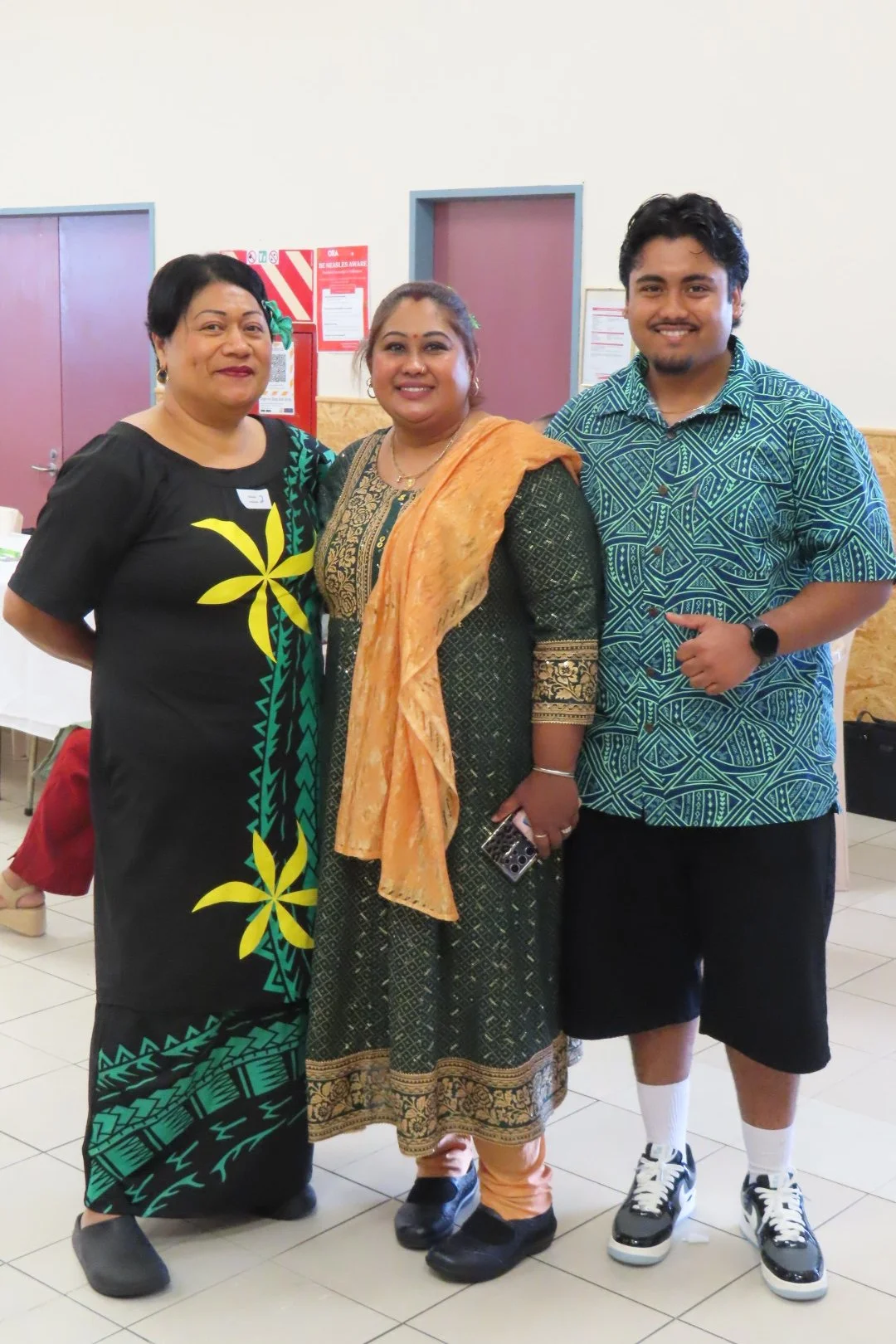
The Wellington fono was supported by a strong Pasifika presence from the CCS Disability Action Wellington Branch, with Pasifika support workers and coordinators helping to host the day.
“Seeing Pasifika staff supporting the day made it feel safe and familiar,” one participant reflected.
The CCS Disability Action team were engaged throughout the fono, sitting alongside participants during breakout discussions, listening to talanoa and supporting connections. Their presence reinforced trust and demonstrated CCS Disability Action’s commitment to working alongside Pasifika communities.
A strong Pasifika presence and leadership
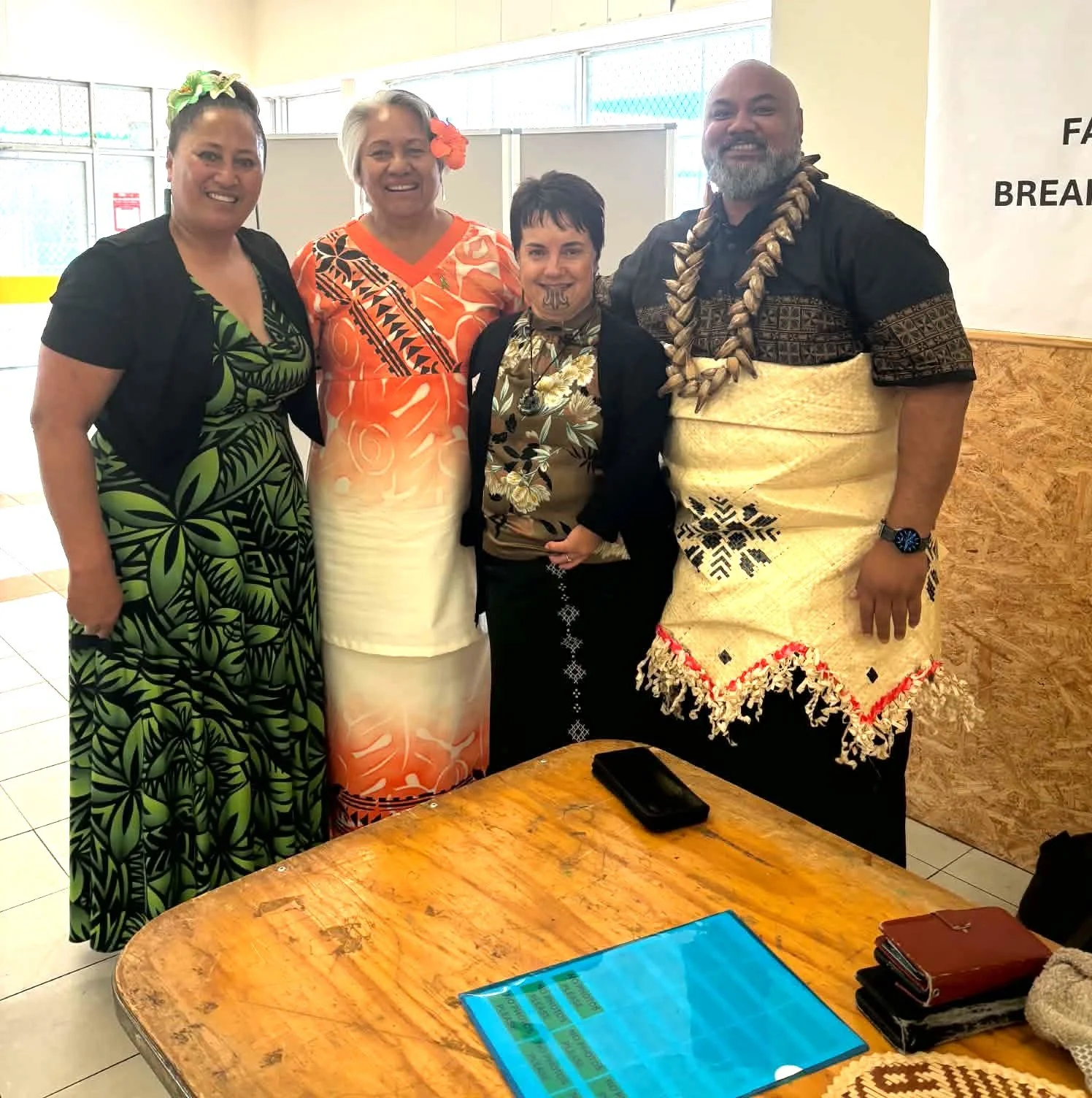
The day was guided by an outstanding Pasifika MC, A’asa Sanerivi, whose calm presence, warmth and humour helped the fono flow with ease. Drawing on previous governance experience at CCS Disability Action, A’asa brought strong knowledge and community leadership, helping bridge conversations between lived experience, services and systems.
Participants commented that this leadership helped keep the talanoaga focused on what mattered most, while still allowing space for heartfelt sharing.
“Lead from the front,” one submission on the fono read. “The leadership today felt real and connected to the people.”
The response reaffirmed the importance of Pasifika‑led spaces while also challenging the Pasifika Working Group to lift its aspirations. Communities present showed up with honesty, courage and expectation. It pushes CCS Disability Action to be better than we thought we could be, and to honour that trust with action.
National agencies at the table
A strong line up of national leaders and agencies signalled that Pasifika disability issues are firmly on the national agenda. Attendees included the Chief Executive of the Ministry for Pacific Peoples, the Pasifika Chief Advisor from Whaikaha - Ministry of Disabled People, representatives from Statistics New Zealand and the Electoral Commission, as well as senior representatives from the Office of the Ombudsman, including the Senior Advisor Disability Rights and the Senior Advisor for Pacific Rights.
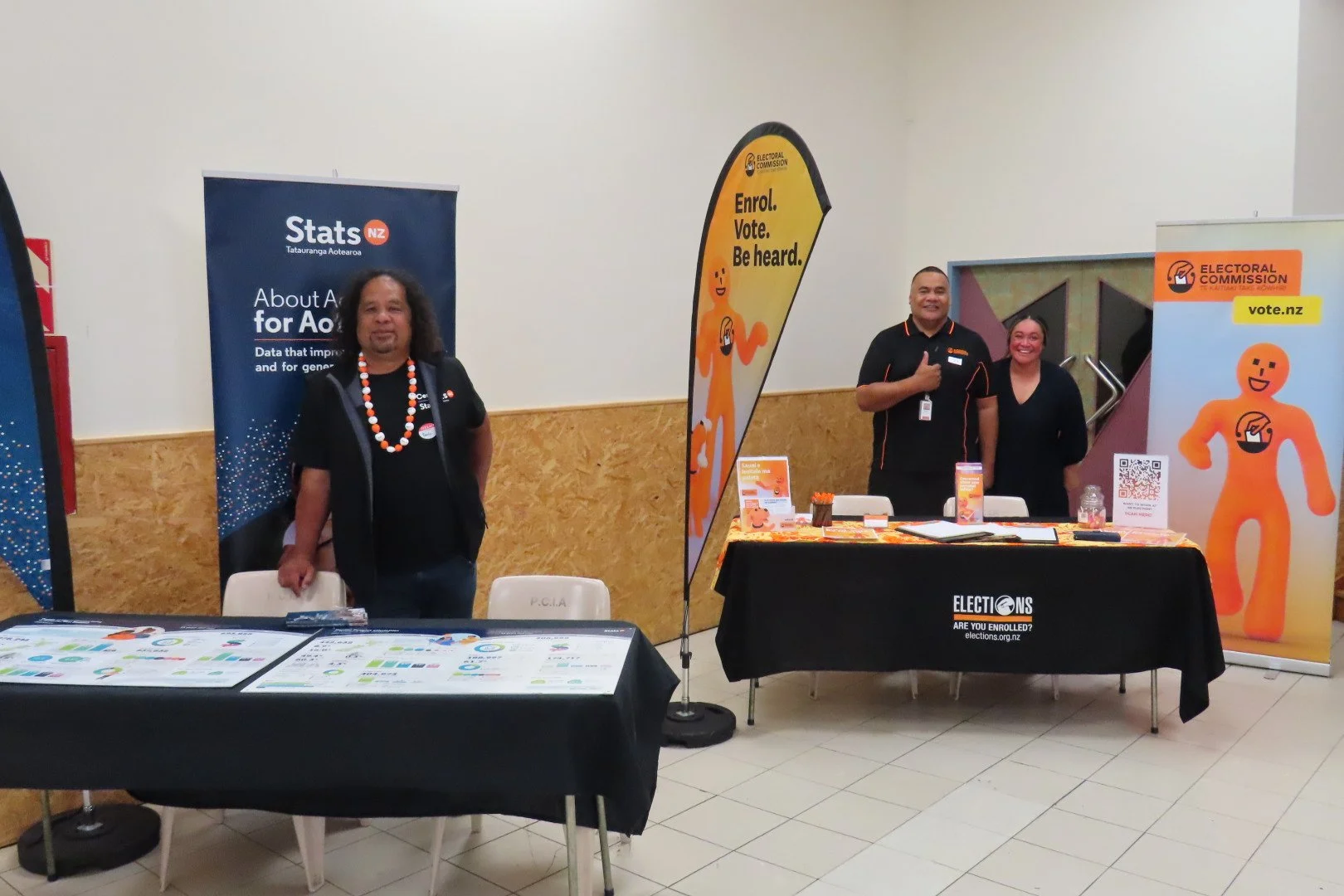
The presence of Statistics New Zealand and the Electoral Commission was intentional. For Pasifika communities, understanding how to be seen, counted and heard is critical. Knowing how to register, vote and be represented in the data reinforces that Pasifika voices matter and that participation has real impact.
Bringing these agencies into a Pasifika‑led space helped demystify systems that can often feel complex or inaccessible. Rather than communities having to navigate services on their own, agencies came to listen directly to lived experience.
“It helps when systems come into our space,” one participant shared. “It makes things clearer and reminds us that our voices count.”
A space to be heard
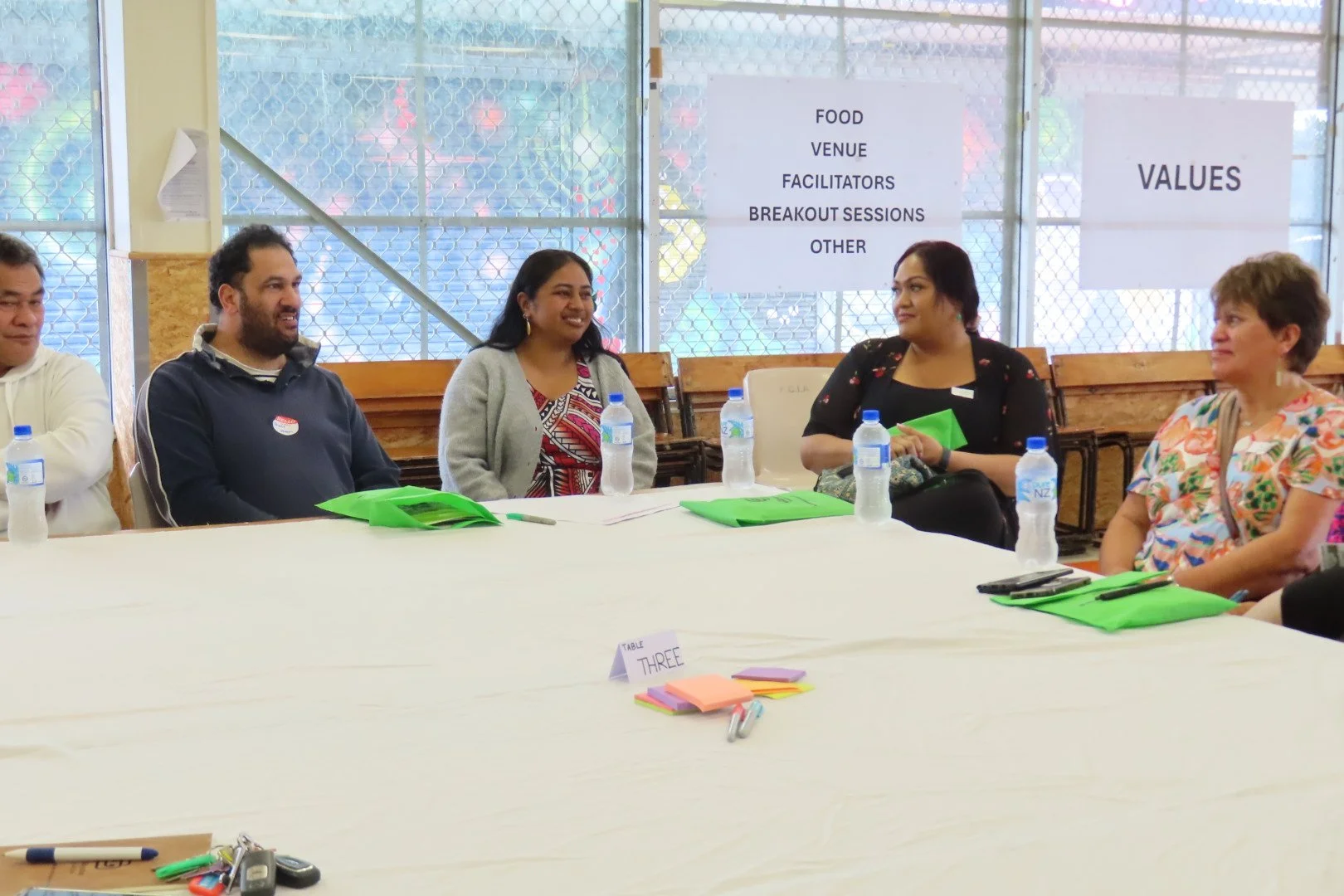
Breakout sessions created smaller, safer spaces for people to share openly about their experiences of disability and the challenges of navigating a complex system. Many described feeling emotional, yet supported and respected.
A strong theme across discussions was the difficulty many Pasifika families face in knowing where to go for help and what support is available.
“We look after our own aiga for as long as we can,” one participant shared. “By the time we reach out, we are already overwhelmed.”
Participants emphasised the importance of trust, dignity and culturally grounded support, particularly the value of familiar faces and Pasifika‑led services.
“Familiar face equals connection with your own people,” one person noted.
Everyday barriers and shared aspirations
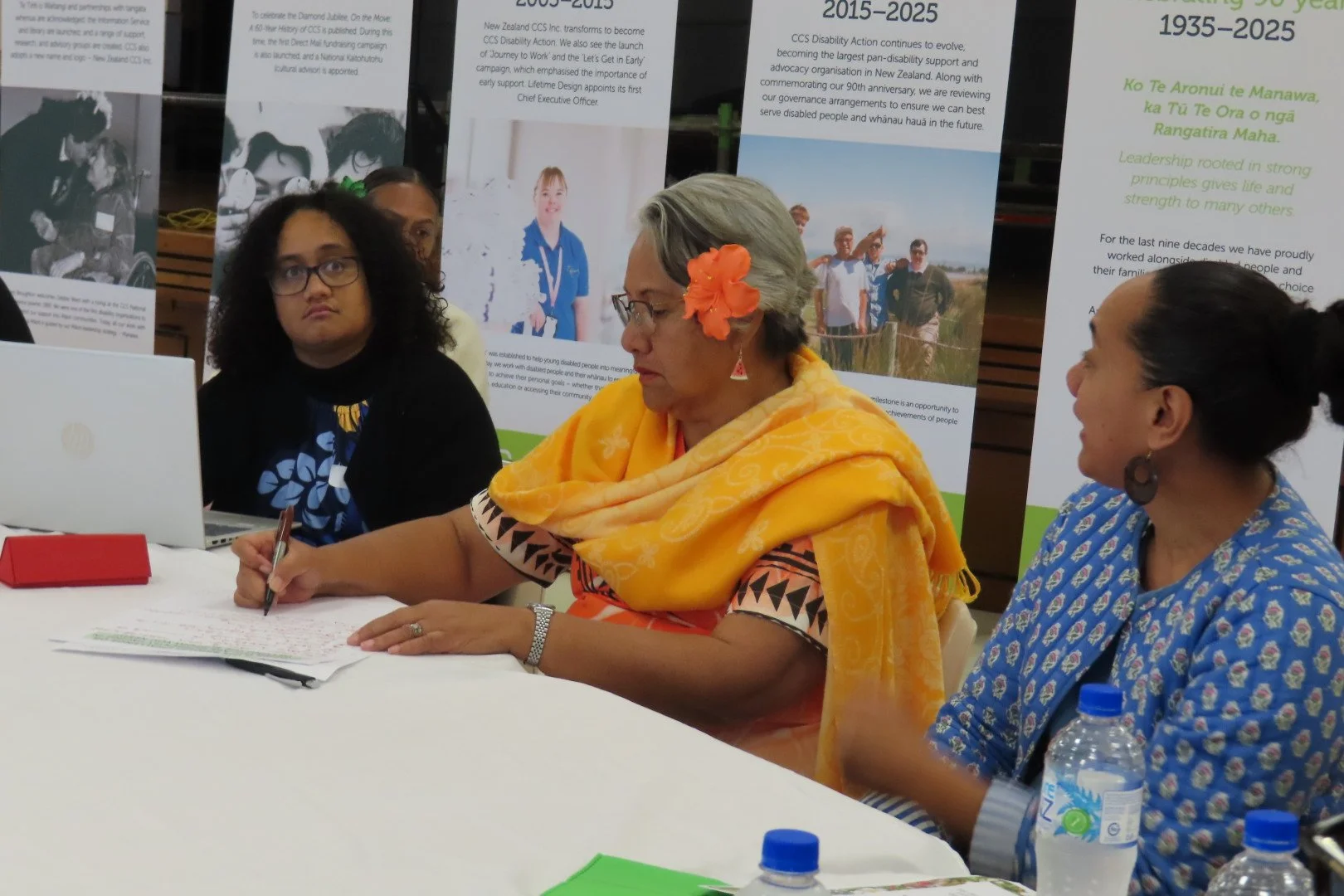
Participants raised practical issues that affect daily life, including access to roads, ramps and public transport, and the need for safer homes and communities.
“Safe communities, safe environment, safe families,” one comment read. “This is what our disabled people need.”
Disability was discussed in a holistic way, encompassing mental, physical, emotional and spiritual wellbeing. There was strong support for assessments and services that apply a Pasifika lens from the outset.
Alongside challenges, participants shared hope and aspiration.
“A dream is only a dream,” one participant wrote, “but today made it feel like that dream could be real.”
Food, culture and connection
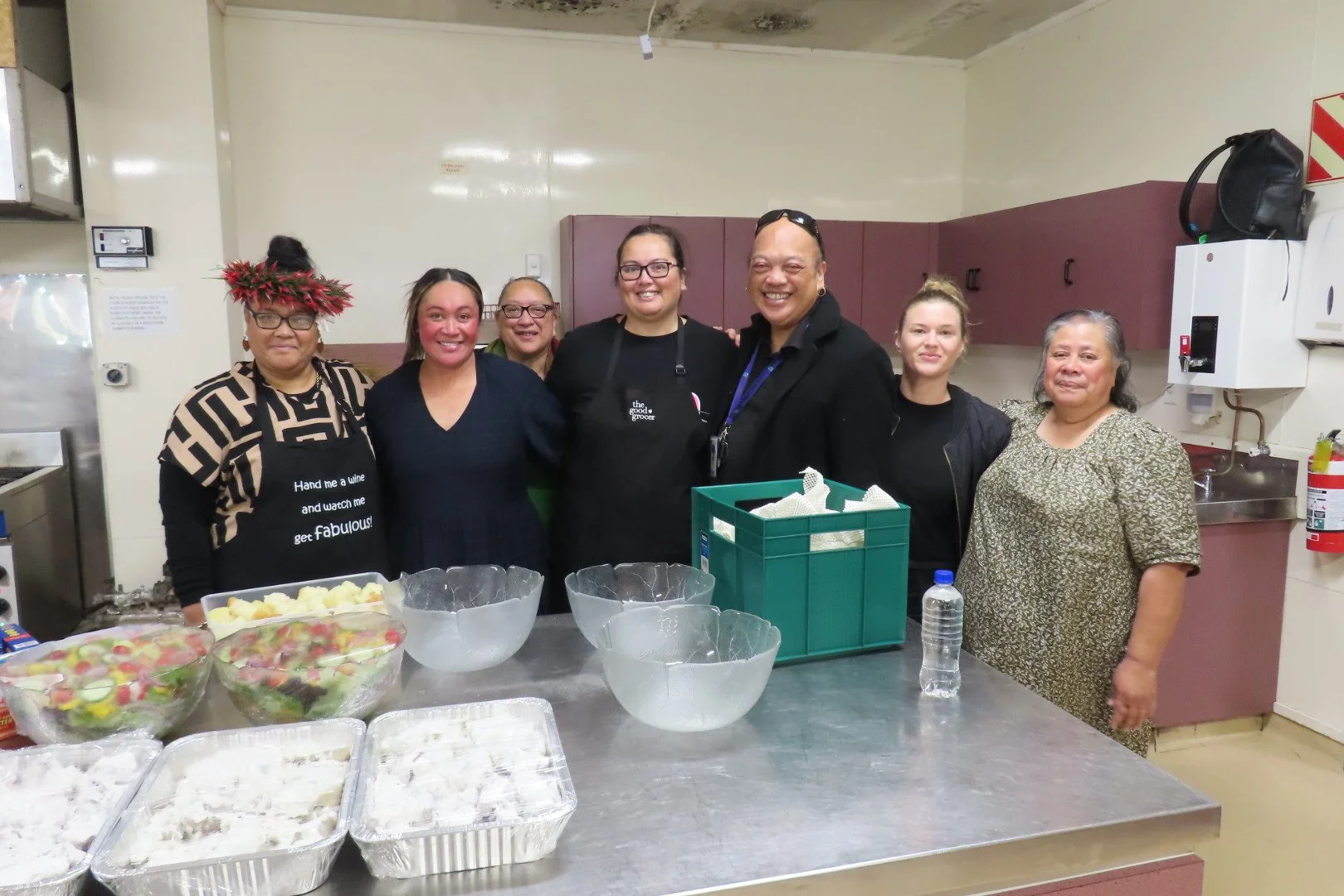
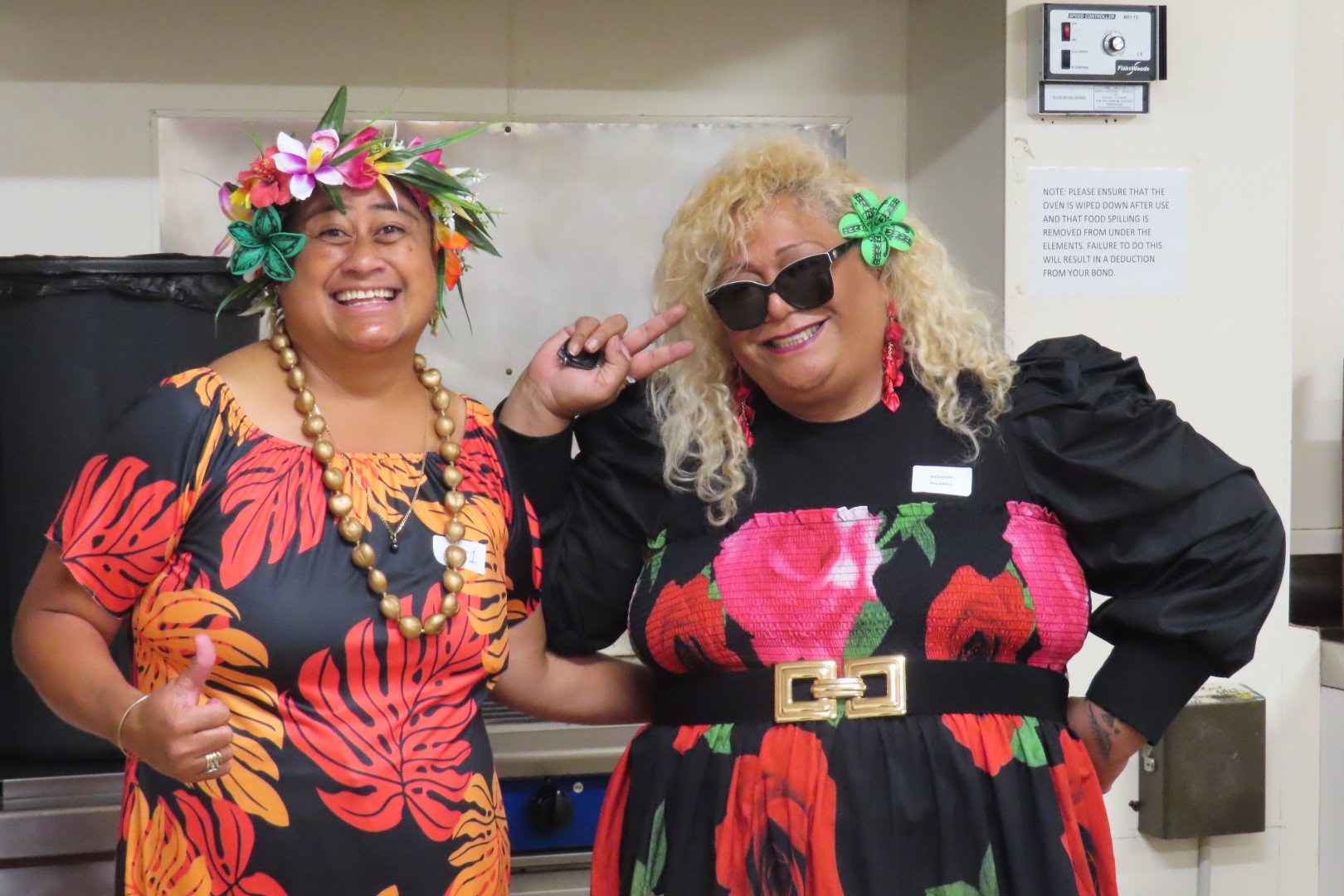
Hospitality played a significant role in creating a welcoming and culturally safe environment. Participants consistently praised the Pacific food, colours and music, describing the atmosphere as warm and inclusive.
“Pacific vibe, Pacific food, Pacific colours. Well done team,” one person wrote.
Another reflected, “Wonderful atmosphere. Friendly interaction. Sharing wisdom together. And the food was beautiful.”
Continuing the talanoaga
The Wellington fono strengthened connections between Pasifika communities, providers and CCS Disability Action. Participants were clear that these conversations must continue and lead to action.
“Our group discussions were so great,” one person shared. “They need to continue and be acted on.”
There were strong calls for greater visibility within Pasifika communities, ongoing fonos and deeper collaboration across the sector.
“Good to know you exist,” one participant said. “Please be more visible in our community.”
Reflecting on the day, Tilomai Solia said the response reinforced why this work matters. “There is a huge appetite to keep connecting, keep talking and build solutions together. Pasifika disabled voices must remain front and centre in everything we do.”
Following strong engagement in Auckland, Hamilton and Wellington, the Pasifika fono series will continue later this year, with communities already asking for follow‑up gatherings.
As one participant wrote at the end of the day, “Love, equity and wellbeing. That’s what this felt like. Please don’t stop.”