
Published 15 September 2026
Almost one in five people aged 65 and over have delayed a doctor or dentist visit because of cost. That is 168,000 people, according to the first ‘Older Persons Poverty Monitor’.
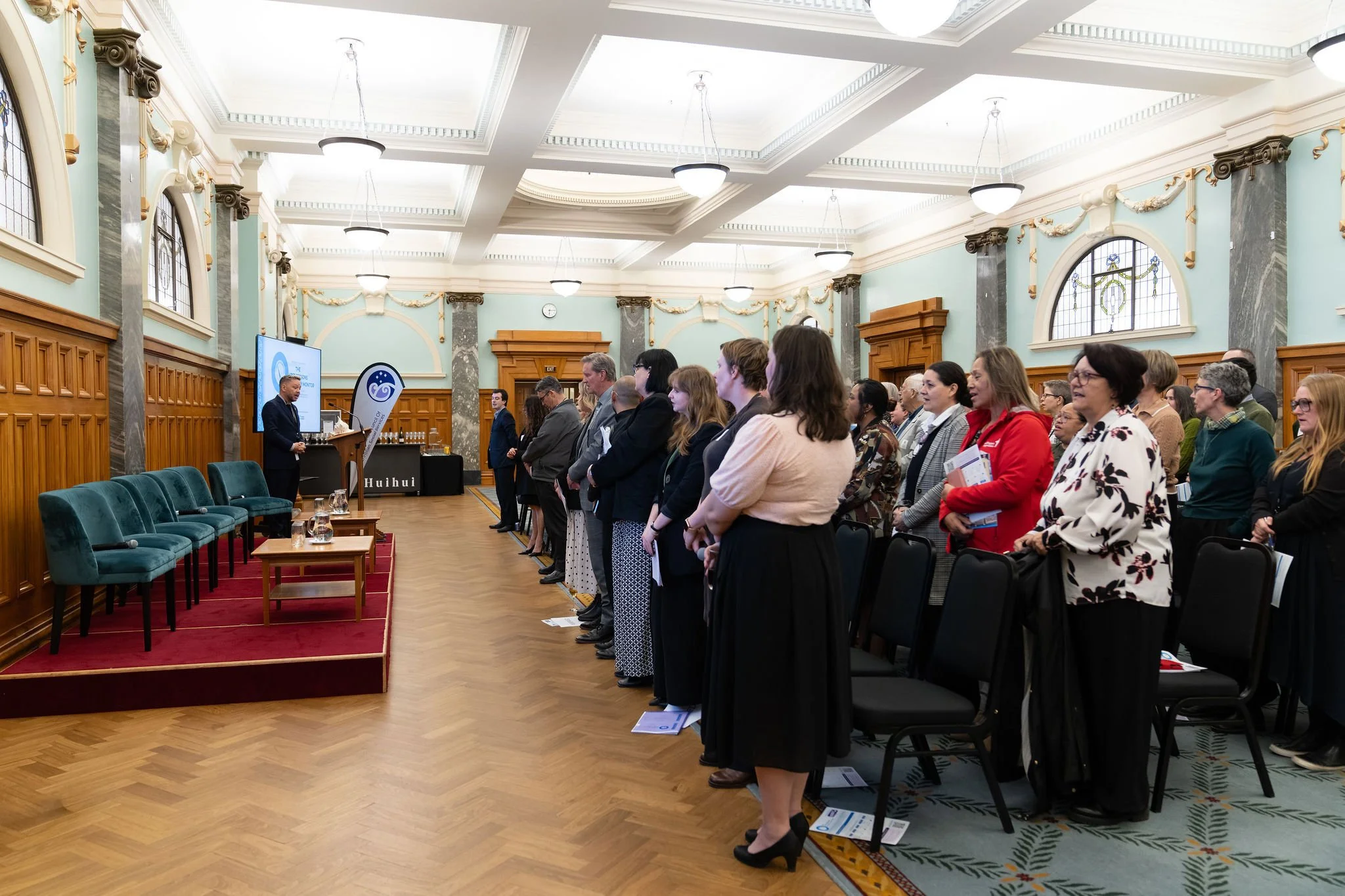
Photos by Sarah Booher.
The New Zealand Council of Christian Social Services (NZCCSS) launched the Monitor at Parliament on the evening of Tuesday 18 August 2026. Debbie Ward, Disability Leadership Coordinator at CCS Disability Action, attended the launch.
"It was a privilege to attend. NZCCSS reached out to us because they recognised the correlation between the issues older people experience and those the disabled community experiences," she said. "They want to work more closely with us as they report on the Monitor each year. I am interested to see how our two organisations can collaborate, given the intersectionality that exists in our mahi."
What the Monitor measures
NZCCSS built the Monitor through a consultation process with older people, providers, and researchers. That work produced a definition written for Aotearoa. Older persons poverty, the Monitor says, is "the state of having insufficient resources, security, and support in one's community to live, age, and die with dignity" (NZCCSS).
Ten measures sit across five domains: income, essentials, housing, social connection, and health. An interactive dashboard was released alongside the report. NZCCSS says the 2026 data is the baseline and will be updated annually.
A whakataukī was gifted to NZCCSS for the Monitor by Fred Astle, Tumu of Visionwest Waka Whakakitenga:
Pēhi taumaha ana te wairua o te koeke, mā te hapori aroha ia e hāpai
As the spirit of the elder is weighed down heavily, it is the loving community that lifts them up.
“I loved the whakataukī because it puts the responsibility in the right place. Not on the person who experiences challenges, but on the rest of us as a society. This aligns strongly with the social model of disability and our values as an organisation,” explains Debbie.
What the first results found
Among people aged 65 and over, NZCCSS reported:
168,000 had delayed seeing a doctor or dentist because of cost
147,000, or 17.25%, live in accommodation they do not own
102,000 are living below 50% of mean income after housing costs
25,000 are experiencing material hardship
Women recorded higher rates than men on all 10 measures. Pacific older people had the highest rates on seven of the nine measures where ethnic comparisons were possible. Māori were the second most affected on every measure. Older people were also asked to define poverty themselves. Social isolation and isolation from whānau made up a third of those responses.
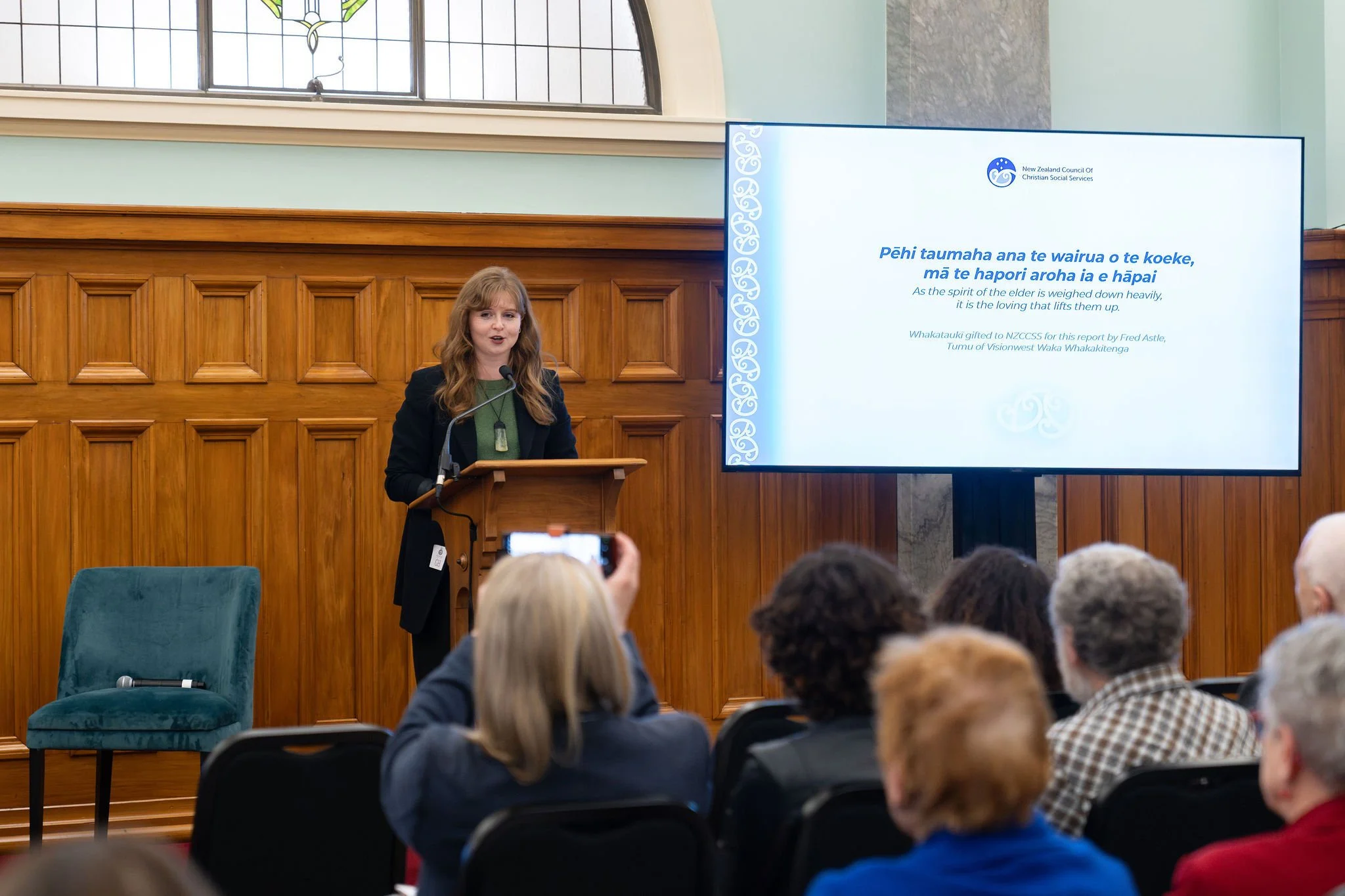
CE Alicia Sudden.
"For the first time, we can see and track the scale of poverty among older New Zealanders," NZCCSS Chief Executive Alicia Sudden said. "What we measure is what we can change, and these first results should make us deeply concerned."
Jill Hawkey, Executive Director of Christchurch Methodist Mission, said the health findings reflect what services see. "For many older people, the decision to delay seeing a doctor or dentist isn't a choice at all. It's the result of having to stretch limited incomes across essentials," she said. "With rents now above $500 per week for a one bedroom home, those living on Superannuation have little left for food, power and medical costs."
Where disability and older age overlap
The Monitor does not report disability status, but other available data suggests a substantial share of the older people in the figures will be disabled people.
Disabled people are more likely to reach 65 with less accumulated wealth.
Whaikaha - Ministry of Disabled People reports a median household equivalised (adjusted for household size) disposable income of $44,262 for disabled people in the year ended June 2025. For non-disabled people it was $57,346. Disabled people made up 14.4% of the population in that survey and 22.1% of the lowest income quintile (Whaikaha). Stats NZ found 53% of disabled people live in households with not enough or only just enough income for basics. For non-disabled people the figure was 33% (Stats NZ).
CCS Disability Action has provided mobility parking permits since 1977 and has more than 180,000 permit holders. Many permit holders are older people. The Monitor's health and connection measures describe the same access barriers permit holders regularly raise.
What happens next
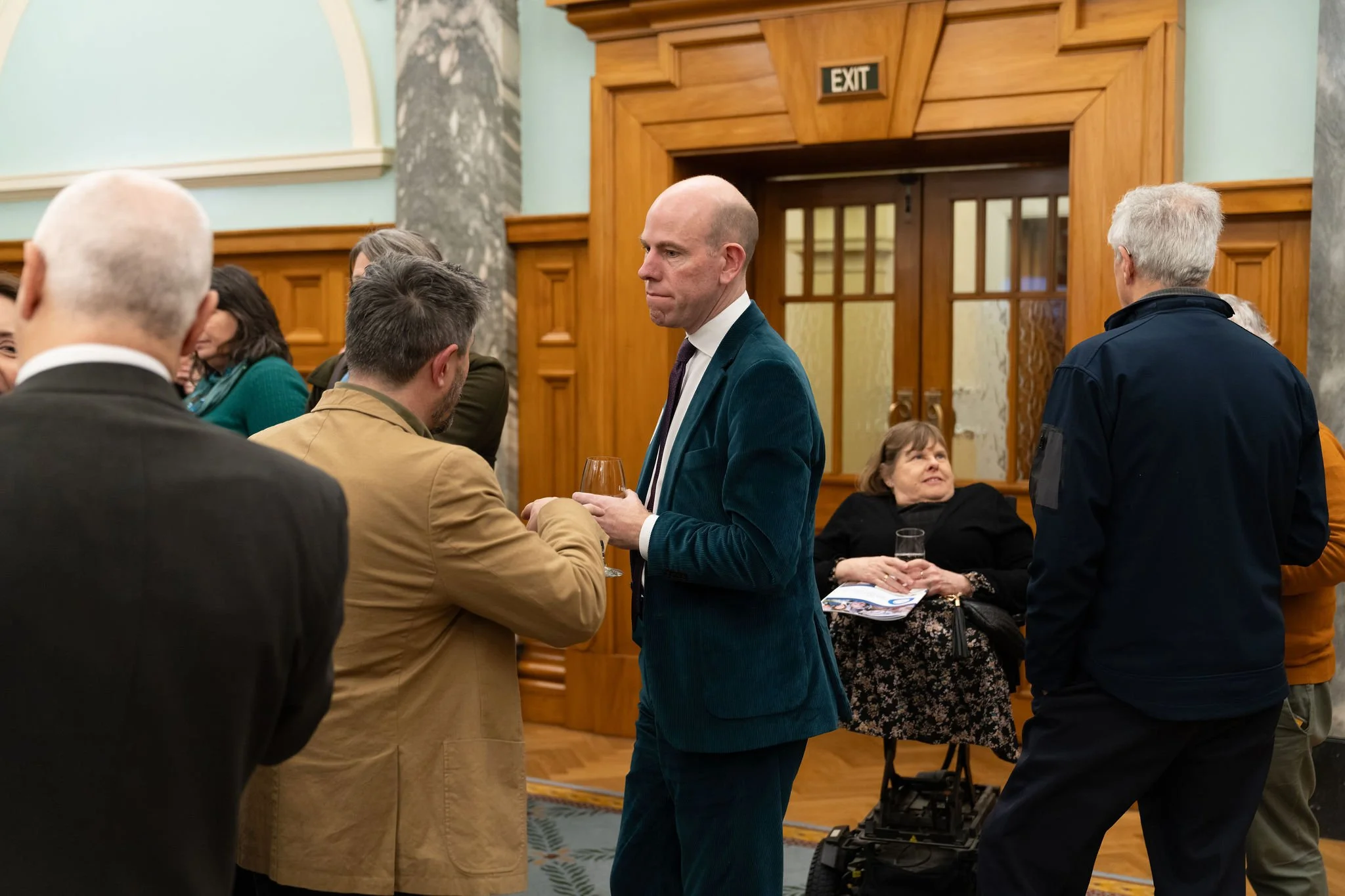
Debbie at the launch.
The launch was co-hosted by members of Parliament from several parties. They also took part in a panel discussion on their party's response to the Monitor, and on reducing income poverty for older people.
Debbie observed that most panel members focused on the indicators in the report, although some used the platform to make digs at their political opponents. “While it is an election year, so possibly not surprising, I would like to see politicians focused on policies, not pot shots. Ensuring all people can live with dignity is too important,” she says.
NZCCSS will update the Monitor annually. The report and dashboard are available on the NZCCSS Older Persons Poverty Monitor page.
About CCS Disability Action
CCS Disability Action is the largest pan-disability support and advocacy organisation in Aotearoa New Zealand.
We support people with all types of impairments and have been working alongside disabled people since 1935.
We are at the forefront of service provision, advocacy and information sharing in the disability sector. We partner with disabled people, their families and whānau to enable them to have choice and control in their lives. Our vision is to see every disabled person and whānau hauā interwoven into the lives of their whānau and community.