
Budget Analysis 2026
Phoebe Eden-Mann, National Policy Analyst, CCS Disability Action
Published 29 May 2026
We’ve shared our initial thoughts on the Budget here. Below is our 2026 Budget breakdown by National Policy Analyst Phoebe Eden-Mann, covering Disability Support Services, social development, and education.
New to the Budget? Check out our Budget Day Basics guide.
Click here for last year’s Budget key points.
Quick links:
Disability Support Services Budget (covers DSS, Connecting and Strengthening Disability Communities, Community Participation, Early Intervention Support Services, Flexible Funding, Community-based Support Services, Residential-based Support Services)
Social Development Budget (covers Disability Allowance and Child Disability Allowance, Supported Living Payment, Accommodation Assistance, Jobseeker Support and Emergency Benefit, Winter Energy Payment)
Education Budget (covers Learning Support, Special Needs Interventions, Ongoing Resourcing Scheme, Teacher Aides)
Disability Support Services
All information taken from the Disability Support Services Vote.
For the year been (2025/26) the Government estimates it spent $2556.8M on Disability Support Services (they had planned to spend $2556.8M). The Government spent the same amount as they planned.
For the year ahead (2026/27), the Government plans to spend $2932.9M on Disability Support services. This is $376M more than it spent last year. However, it is important to note that the increase is mainly due to an expense transfer of underspent funds from 2025/26 ($176 million in underspent funds). This increase will not be carried forward and funding will decrease in future budgets.
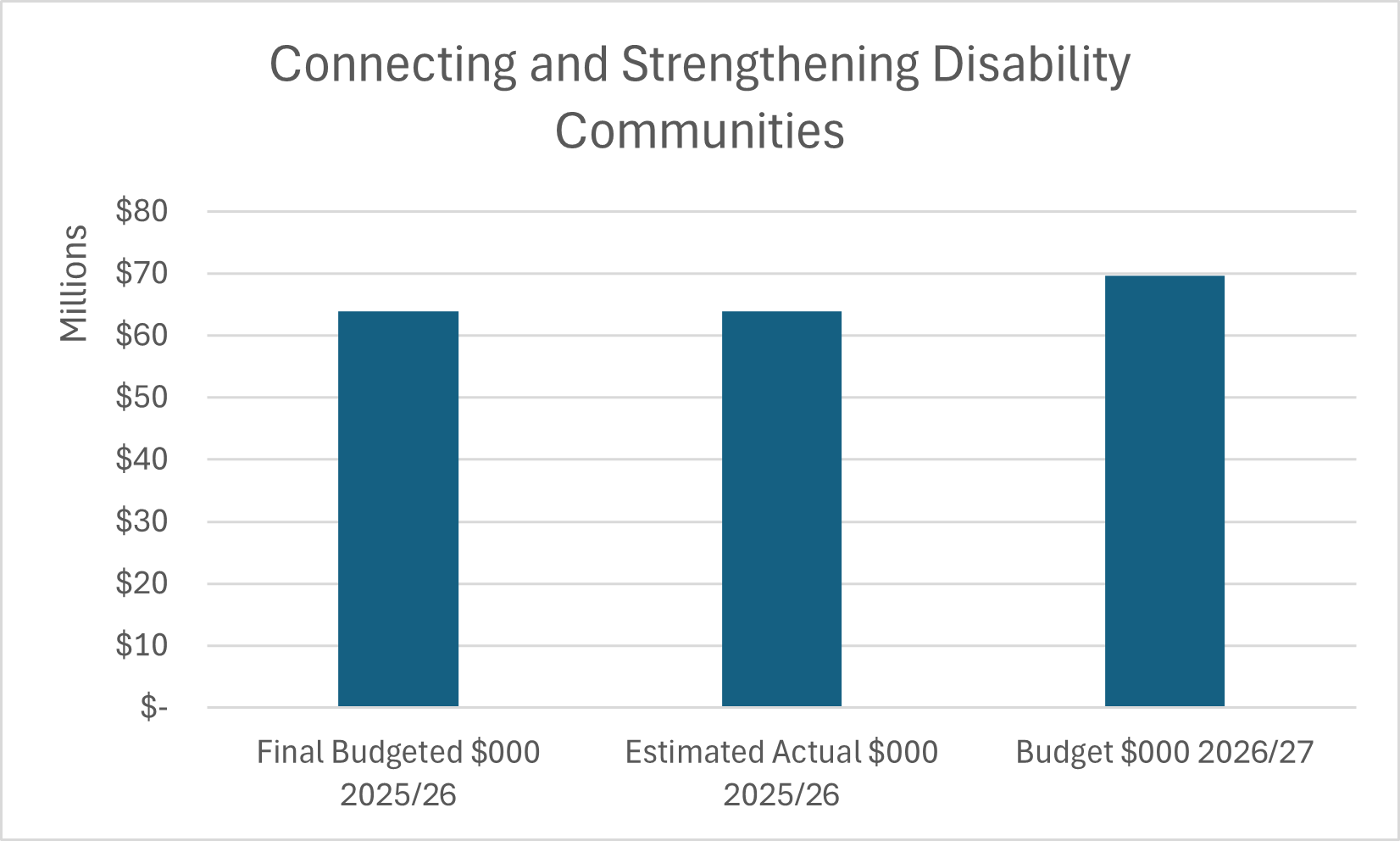
Connecting and Strengthening Disability Communities
For the year been (2025/26), the Government spent $63.9M on Connecting and Strengthening Disability Communities (it had planned on spending $63.9M). So, the Government spent the same amount that it had planned to.
For the year ahead (2026/27), the Government plans to spend $69.6M which is $5.6M more than last year.
Community Participation
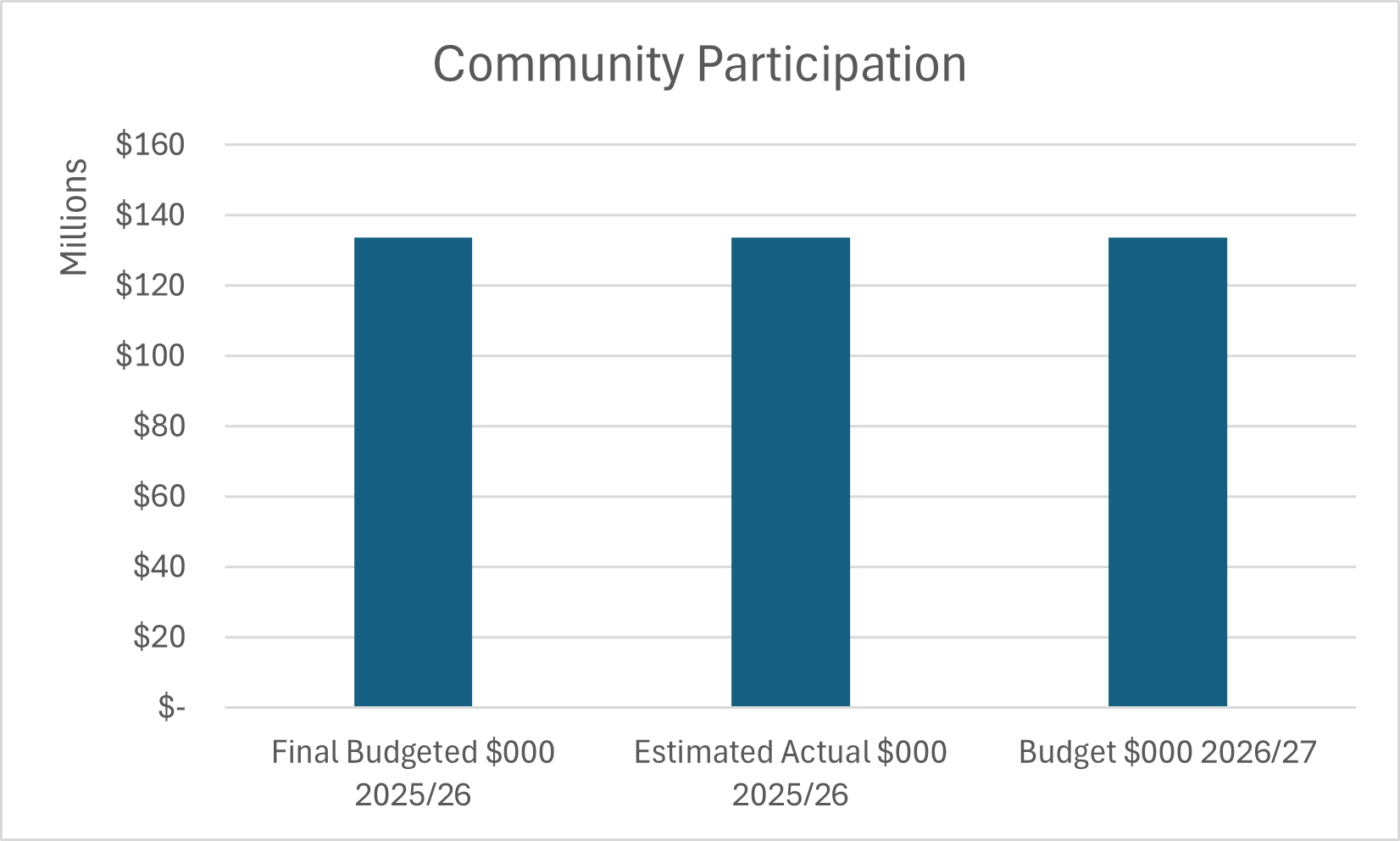
For the year been (2025/26), the Government spent $133.6M on Community Participation (it had planned to spend $133.6M). So, the Government spent the same amount as it planned to.
For the year ahead (2026/27), the Government plans to spend $133.7M which is $11,000 more than last year.
Early Intervention Support Services
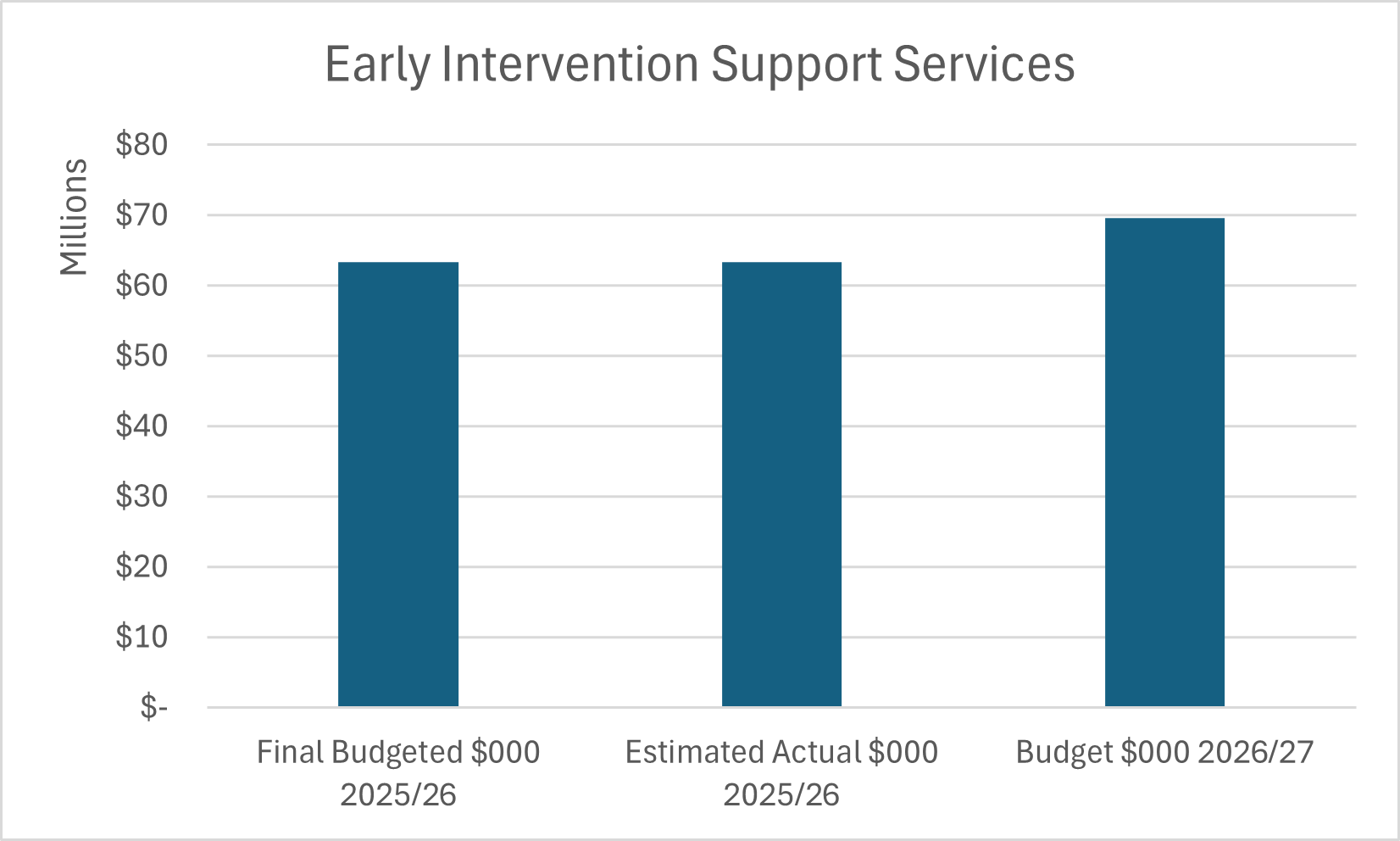
For the year been (2025/26), the Government spent $63.3M on Early Intervention Support Services (it had planned to spend $63.3M). So, the Government spent the same amount it had planned to spend.
For the year ahead (2026/27), the Government plans to spend $69.7M, which is $6.3M more than last year.
Flexible Funding
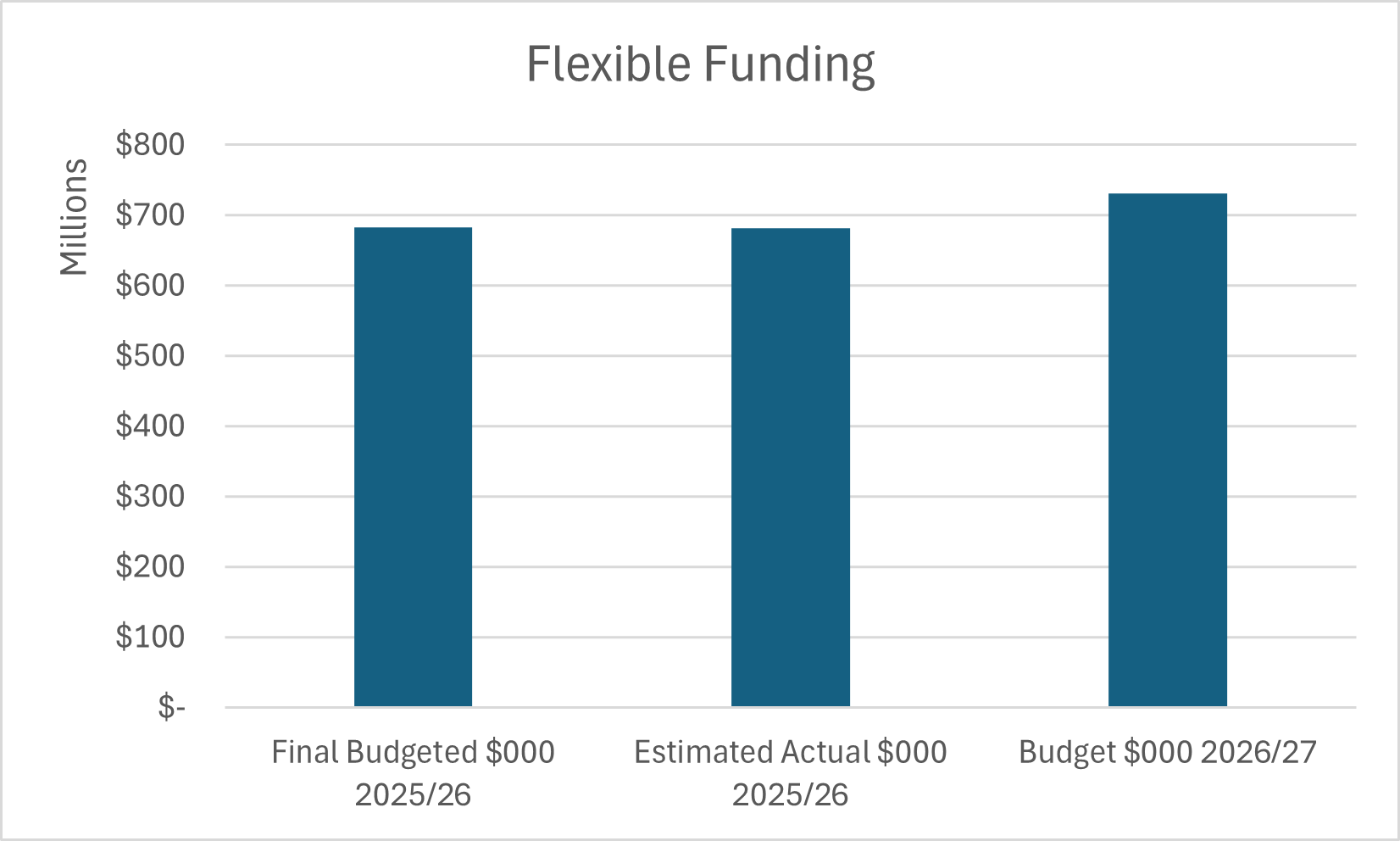
For the year been (2025/26) the Government spent $682.9M on Flexible Funding (it had planned to spend $682.9M). So, the Government spent the same amount it planned to spend.
For the year ahead (2026/27), the Government plans to spend $730.8M, which is $48.7M more than last year.
Community-based Support Services
For the year been (2025/26), the Government spent $953.9M on Community-based Support Services (it had planned to spend $953.9M). So, the Government spent the same amount it had planned to spend.
For the year ahead (2026/27), the Government plans to spend $1118.9M which is $165M more than last year.
Note: that the increase is mainly due to an expense transfer of underspent Disability Support Services funds from 2025/26. This increase will not be carried forward, and funding will decrease in future budgets.

Residential-based Support Services
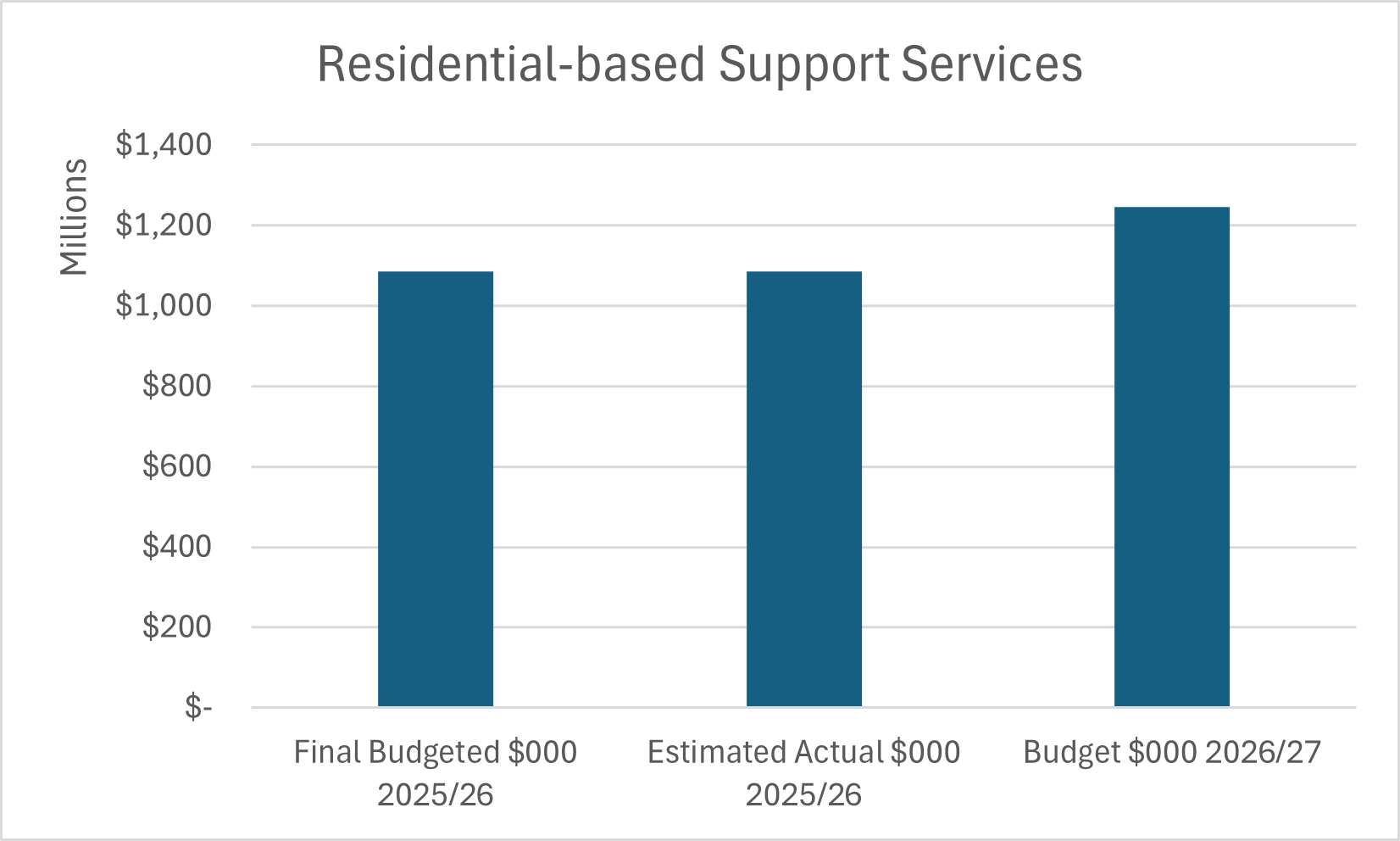
For the year been (2025/26), the Government spent $1085M on Residential-based Support Services (it had planned to spend $1085M). So, the Government spent the same amount they planned to spend.
For the year ahead (2026/27), the Government plans to spend $1245.5M, which is $160.5M more than last year.
Note: Again, the increase in funding will not be permanent, it is simply catching up on significant underspend from last year.
Social Development
All information has been taken from the Social Development Vote.
Disability Allowance and Child Disability Allowances
For the year been (2025/26) the Government estimates it spent $517.8M on the combined total for both the Child Disability and Disability Allowances.
For the year ahead (2026/27) it is planning on spending $533.2M on the combined disability allowances, which is $15.4M more than last year. Note that the increase is not an increase in the disability allowance entitlement rates, simply an increase in the funding largely due to our increasing disability population. The Disability Allowance has been cut and is projected to continue to drop in the coming years. We know that from international data, that raising the child disability allowance does make a meaningful difference in the lives of disabled children. The fact that there has been no meaningful increase to the child disability allowance rate is extremely disappointing.
Disability Allowance
For the year been (2025/26) the Government estimates it spent $326.5M on the Disability Allowance (which is the same amount the Government had planned to spend).
For the year ahead (2026/27), the Government plans to spend $320.6M on the Disability Allowance. This is $5.96M less than it spent last year. The estimated spending for the Disability Allowance for the next few years is projected to continue to drop. We will be reaching out for clarification as to why the Allowance funding is dropping and will update this once we have received a response.
Child Disability Allowance
For the year been (2025/26), the Government estimates it spent $191.3M on the Child Disability Allowance, which is the same amount that the Government had planned to spend.
For the year ahead (2026/27), the Government plans to spend $212.6M on the Child Disability Allowance. This is $21.3M more than it spent last year. This increase in spending does not increase the child disability allowance rates, so there has been no change in entitlements.
Supported Living Payment
For the year been (2025/26) the Government estimates it spent $2829.8M on the Supported Living Payment (it had planned to spend $2851.8M). So the Government spent $22M less than what it had planned to.
For the year ahead (2026/27), the Government plans to spend $3023.2M on the Supported Living Payment. This $193.4M more than it spent last year. Note that the increases are not an increase in SLP entitlement rates, simply an increase in the funding largely due to our increasing disability population and historic underfunding.
Accommodation Assistance
For the year been (2025/26), the Government estimates it spent $2308.3M on Accommodation Assistance (it had planed to spend $2361.9M). So the Government spent $53.6M less than it planned to.
For the year ahead (2026/27), the Government plans to spend $2322.2M which is $13.8M more than last year.
Jobseeker Support and Emergency Benefit
For the year been (2025/26), the Government spent $4944.1M on Jobseeker Support and Emergency Benefit (it had planned to spend $5011.1M). So, the Government spent $67M less than it planned to.
For the year ahead (2026/27), the Government plans to spend $5018.3M which is $7.3M more than last year.
Winter Energy Payment
The Winter Energy Payment is an extra payment from 1 May to 1 October to help with the cost of heating your home over the winter months. You must be getting a main benefit, pension or Jobseeker Support Student Hardship. Many disabled people qualify for the Winter Energy Payment.
For the year been (2025/26), the Government spent $582.7M on the Winter Energy Payment (it had planned to spend $600.7M). So, the Government spent $18M less than it planned to.
For the year ahead (2026/27), the Government plans to spend $594.5M which is $6.2M less than what it spent last year.
Education
All information has been taken from the Education Vote.
Learning Support
For the year been (2025/26), the Government estimates that it spent $761.4M on the total funding for Delivering Quality Learning Support (which includes Special Needs Intervention, the Ongoing Resourcing Scheme, as well as Learning Coordinators and Teacher Aides). This is the same amount that the Government had planned to spend.
For the year ahead (2026/27), the Government plans to spend $844.4M, which is $83.1M more than they spent last year.
Note: There has been a significant increase to Teacher Aide and Learning Support Coordinator funding. However, there has also been a notable decrease in the Special Needs Intervention funding. It is likely that the funding boost has been reappropriated from the Special Needs Intervention funding. We will reach out to MoE for clarification if this is the case, and update once they respond.
Special Needs Interventions
For the year been (2025/26) the Government estimates it spent $403.8M on Special Needs Interventions, which was the same amount they had planned to spend.
For the year ahead (2026/27), the Government plans to spend $283M which is $120.8M less than they planed to spend last year.
Note: We suspect that the drop in Special Needs Interventions funding has been reappropriated to funding Learning Support Coordinators and Teacher Aides.
Ongoing Resourcing Scheme
For the year been (2025/26), the Government estimates it spent $99.9M on the Ongoing Resourcing Scheme. This is the same amount as they planned to spend.
For the year ahead (2026/27), the Government plans to spend $104.7M. This is an increase of $5.4M.
Teacher Aides
For the year been (2025/26) the Government estimates it spent $8.2M on Teacher Aides. This is the same amount they planned to spend.
For the year ahead (2026/27), the Government plans to spend $95.7M on Teacher Aides, which is an increase of $87.5M.
Note: We suspect that this increase has come from the Special Needs Intervention fund. We are reaching out to MoE for clarification on this.
Ngā mihi
That concludes this year’s Budget analysis – if you made it all the way to the end, thank you for reading! It can be overwhelming to interpret the huge amount of information released, so we hope this has helped you (and if it has, why not share this article with your friends?). We will continue to release key messages on our social media: Facebook, Instagram, and LinkedIn.