
Every evening, Anne gets a text.
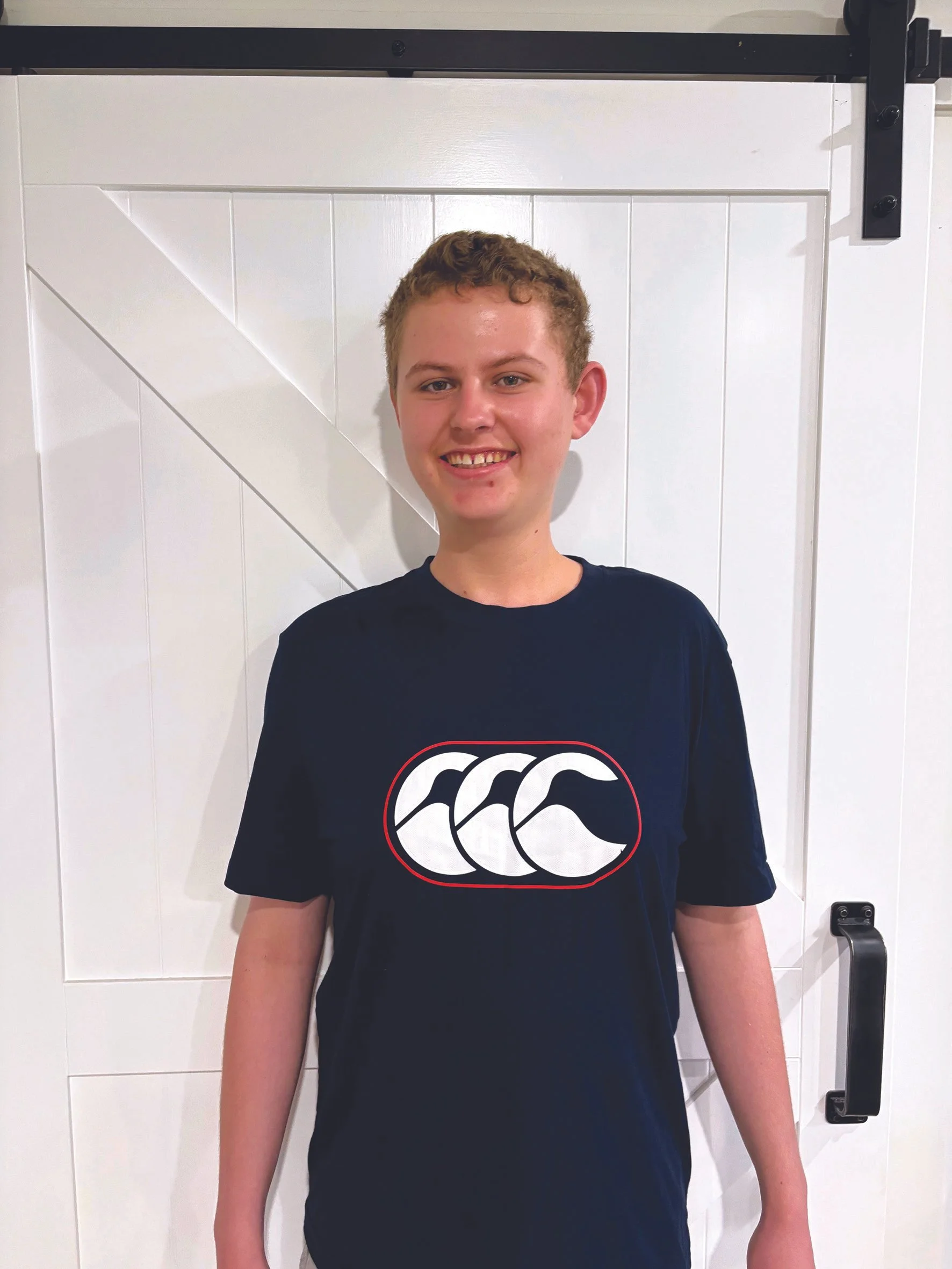
It comes from Jack's support team – a line or two. Something good that happened in his day. A long swim. A bus ride he loved. An afternoon folding a stack of magazines into careful, satisfying shapes.
She reads it. Then she puts her phone down and gets on with her evening, like any other parent might.
"We can be parents now," she says. "That's all we ever wanted."
For 17 years, Anne and her husband Dan were everything to their son Jack. His carers, his advocates, his safety net. Jack is 20. He has complex support needs and two support workers with him through most of the day. For nearly two decades, that was Anne and Dan, and no one else.
They did it because they love him. And because there was no one else.
The nights were some of the hardest. Jack would be awake from one until four in the morning, and Anne got to the stage where she kept a mattress in the hallway. She and Dan would take turns sleeping there, moving it back inch by inch over a month, until he felt settled enough to sleep in his own room again.
"The sleep deprivation, just not feeling like we were ever going to find anything that was going to help us," she says. "It all compounded."
Then Anne made a call to CCS Disability Action. She'd heard about a coordinator named Ali. She was running on empty, the school holidays were coming, and she needed someone to listen.
"I explained where we were at," she says. "How we were constantly seeking help, but we didn't know who to ask, or it just wasn't coming. And I just felt like the weight off my shoulders had been lifted, just from that phone call. It felt like finally someone was listening."
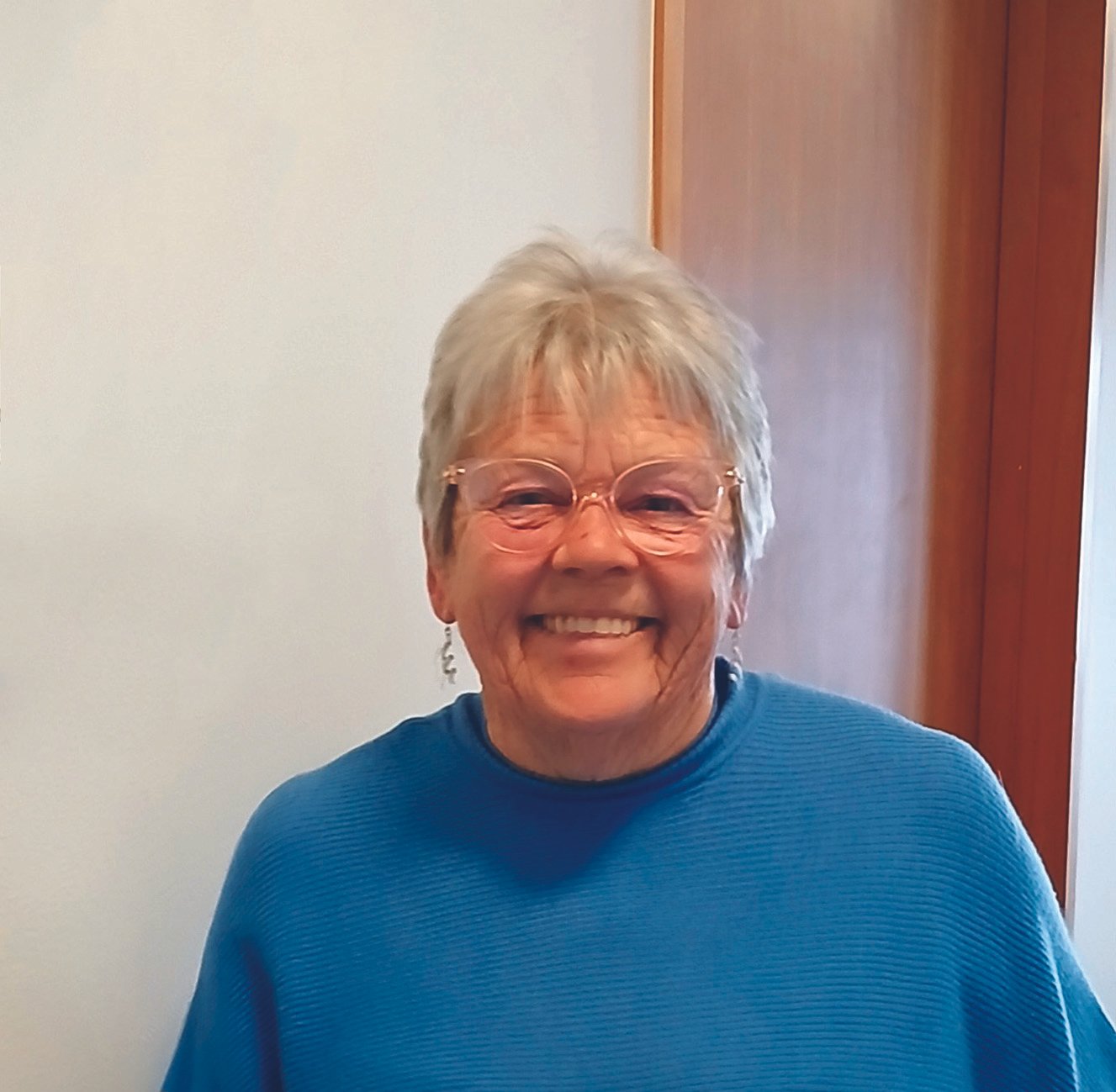
Ali came to meet the family in the new year. She didn't bring a form or a plan. She came to listen.
What she found was a family who had been fighting, quietly and relentlessly, for a very long time.
There were walls at every turn. Funding gaps. Waitlists. A housing register to work through. When Jack's supported living funding went to a panel, they waited six months – not knowing the application hadn't even been heard. The stress, Anne says simply, "was shocking."
Ali stayed through all of it.
She helped the family access funding Jack had been entitled to but hadn't received. She introduced them to Mindful Supports, a team who would go on to build a real relationship with Jack – learning his rhythms, his language of signs and gestures and touch, the things that help him feel settled. She found a beach house where he could start practising being away from home, gradually, the way that actually works.
In November, the funding came through. Jack moved into his home in the Manawatū.
Now there's a team of six or seven around him. They take him swimming – water is one of his great joys. They ride the bus with him. They fold paper. And every evening, they send a text.
Last year, for the first time in twenty years, Anne, Dan, and their other children got on a plane. They went to Rarotonga. They lay on the beach.
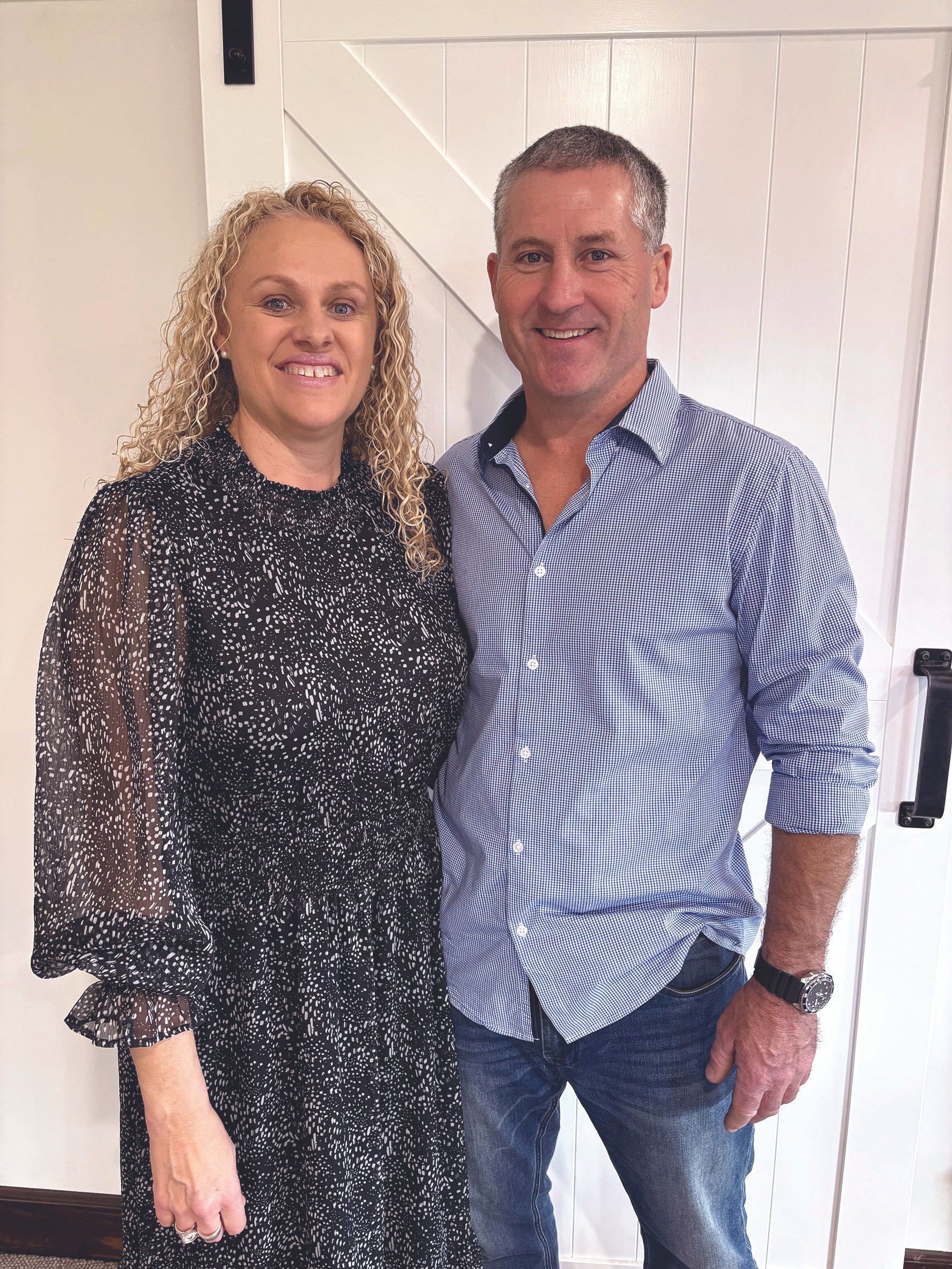
"It was our first ever holiday where there was no worry," Anne says. "Just us."
Families like Jack's don't come to us in crisis. They come exhausted, after years of holding everything together on their own. Right now, other families are carrying that weight, waiting for someone to answer when they call.
You, our supporters, are what keeps Ali and her colleagues there to pick up the phone.
This Christmas, your gift will help support disabled young adults and their families.
Please give a gift so that families like Jack’s can find their moment of relief.
Give online: www.ccsDisabilityAction.org.nz/give